How to Choose the Right Materials for a High-End Home Remodel

Most luxury home remodels don't fail because of bad design. They fail because of material decisions made too quickly, too early, or based on the wrong criteria. You can have a flawless floor plan and a gifted contractor and still end up with a finished product that feels expensive but not special — and materials are almost always why.

So if you're working through how to choose materials for a luxury home remodel, here's the framework that actually holds up when you're standing in a showroom trying to decide between two slabs of stone that both cost more than your first car.

Our Services →

The Material Decisions That Actually Define a High-End Remodel

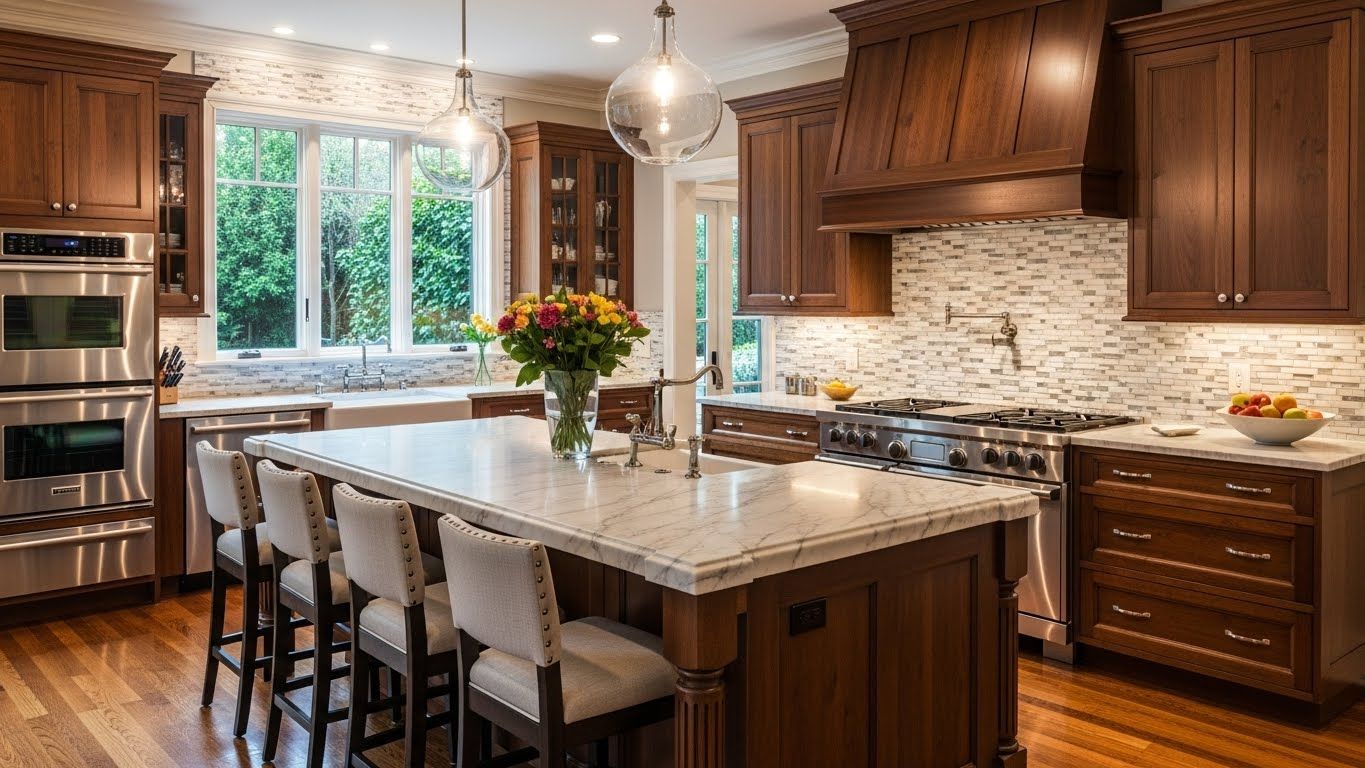
Picture of remodelled kitchen

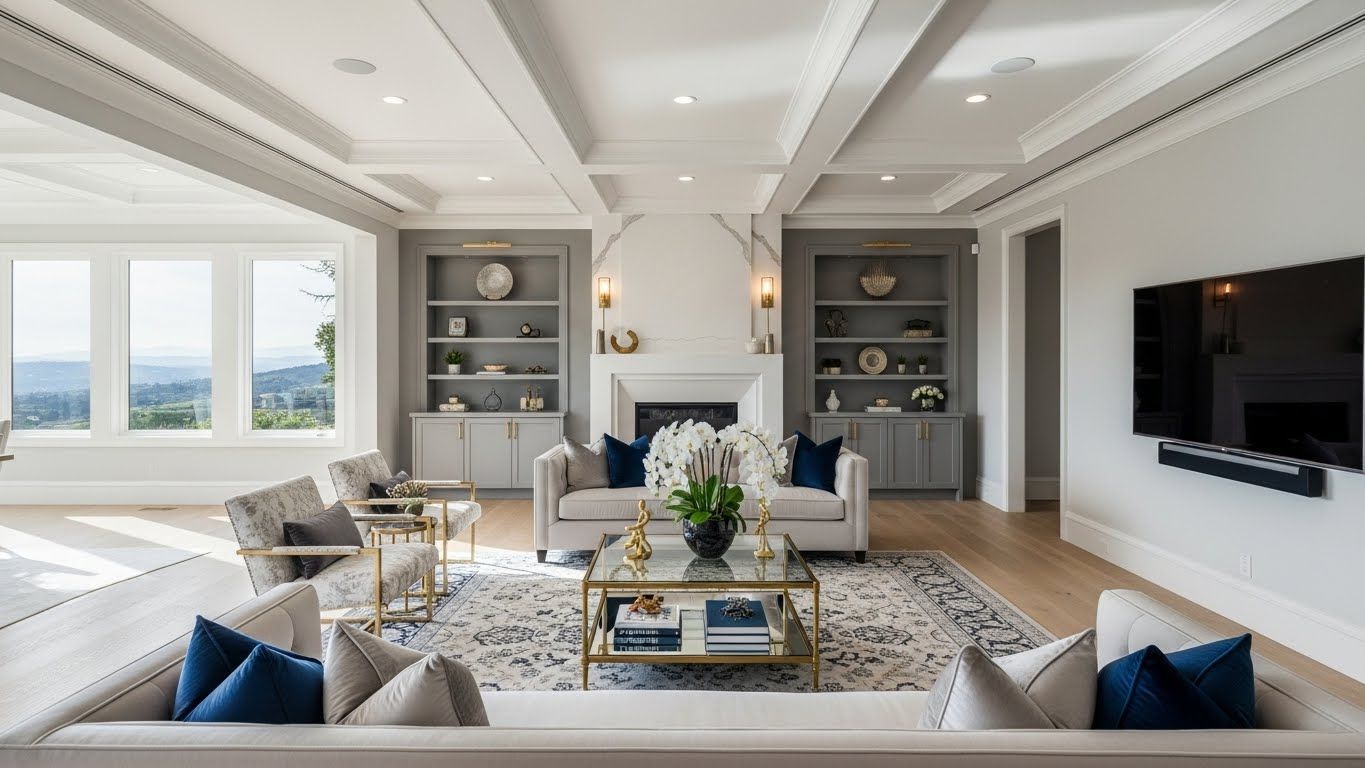
Start with longevity, not trend. The materials that define genuinely high-end homes — honed marble, wide-plank white oak, unlacquered brass, hand-plastered walls — have been around for decades. There's a reason for that. They age beautifully, they photograph well in any era, and they don't announce the year they were installed the way trendy finishes do. Before you commit to anything, ask yourself honestly: will this look dated in eight years? If the answer is "maybe," keep looking.


That doesn't mean you can't make bold choices. It means your boldness should come from proportion, texture, and craftsmanship — not from chasing whatever's dominating Instagram this season.

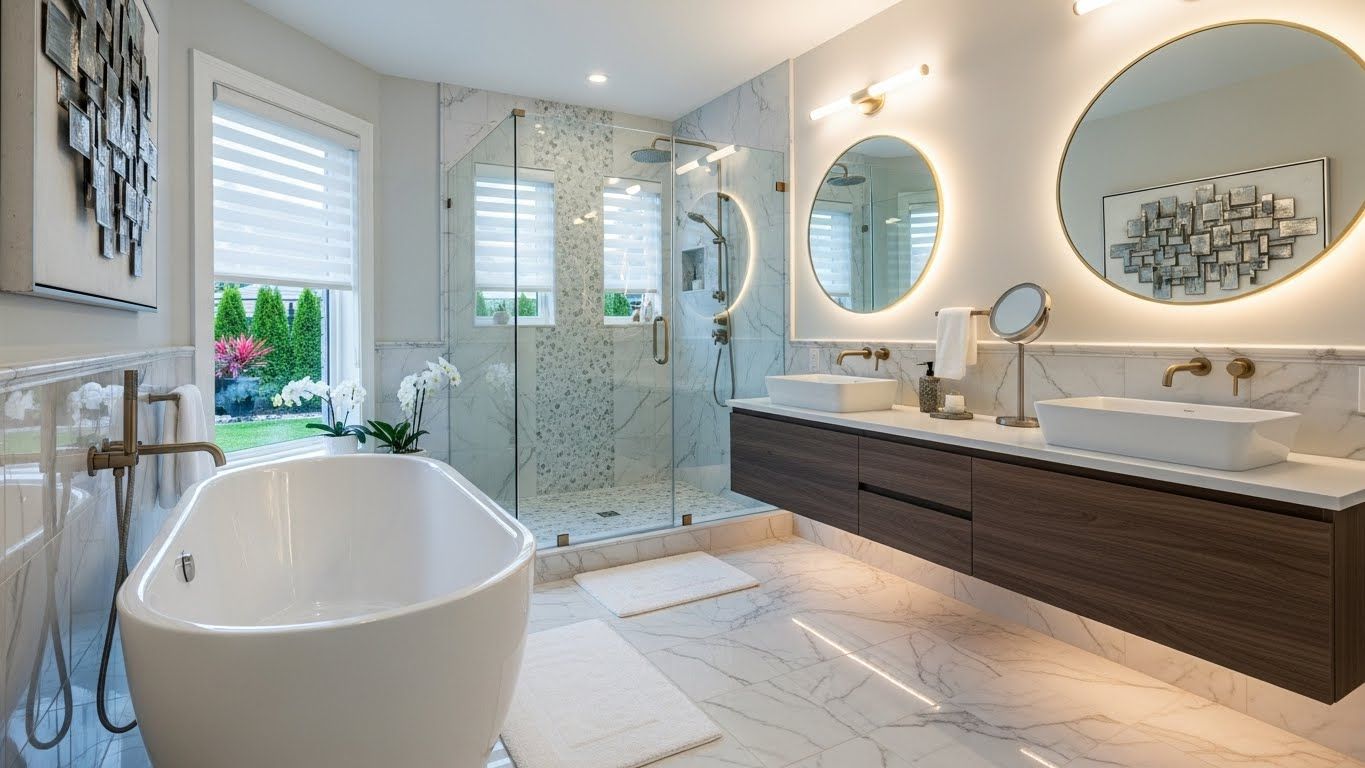
Understand how materials behave, not just how they look. A showroom is a controlled environment with perfect lighting and no children, no pets, and no one actually cooking in the kitchen. Materials perform very differently in real life. Calacatta marble is breathtaking on a kitchen island but it etches from citric acid and stains from olive oil if it's not sealed and maintained obsessively. Unlacquered brass fixtures will patina — beautifully, in most people's opinion, but dramatically. White oak floors show less dust than darker stains but still scratch.
estimated_quoteArtboard 3

Get a Free Quote

Contact Us

A Design-Led Approach to High-End Remodeling

Satisfied Clients

quotes2Artboard 2

None of this means you shouldn't use these materials. It means you should choose them knowing what you're signing up for. Ask your designer or supplier for the honest maintenance story, not just the beautiful one.

Let one material lead and build around it. The most cohesive luxury interiors usually have one hero material — a statement stone, a custom millwork finish, a distinctive tile — and everything else is chosen to complement it rather than compete. When you're trying to figure out how to choose materials for a luxury home remodel, this principle alone will save you from the "expensive but chaotic" trap that trips up a lot of high-budget projects.


Pick your anchor first. Then build your palette outward. The veining in a quartzite slab can tell you exactly what warm tones to pull for the cabinetry. The grain in a walnut floor can inform the hardware finish. When materials are in conversation with each other rather than shouting over each other, the result reads as intentional — which is the hallmark of real luxury.

Source with specificity. There's a meaningful difference between a travertine tile from a big-box supplier and one sourced from a specialty importer who can tell you which quarry it came from. Same material, completely different character. High-end remodels tend to involve a lot of custom and semi-custom sourcing — visiting stone yards to hand-select slabs, working with artisan tile makers, commissioning custom hardware. This takes more time and usually more money, but it's often what separates a house that photographs as luxury from one that actually feels like it.


If your contractor or designer isn't taking you to see materials in person before committing, that's worth a conversation.

Factor in the transition zones. Where materials meet is where luxury is won or lost. The threshold between your marble bathroom floor and your white oak hallway, the edge profile on your countertop, the reveal between your cabinetry and ceiling — these details cost relatively little compared to the materials themselves, but they telegraph craftsmanship immediately. Bad transitions make expensive materials look cheap. Clean, considered transitions make even modest materials look intentional.


The deeper answer to how to choose materials for a luxury home remodel is this: choose them slowly. Visit showrooms more than once. Live with samples in the actual light of your home. Ask more questions than you think are necessary. The materials in a well-done luxury remodel feel inevitable — like they could only have ever been there. That feeling doesn't happen by accident. It happens because someone was patient enough to get it right.

Luxury Remodel  Near Me?

Waterbury, IA
Salisbury Oaks, IA
Waveland Park, IA
Southwestern Hills, IA
Meredith, IA
Linden Heights, IA
Valley High Manor, IA
Ingersoll Park, IA

Beaverdale, IA
Greenwood, IA
Urbandale, IA
Clive, IA
Van Meter, IA
Polk City, IA
Granger, IA
Bondurant, IA